
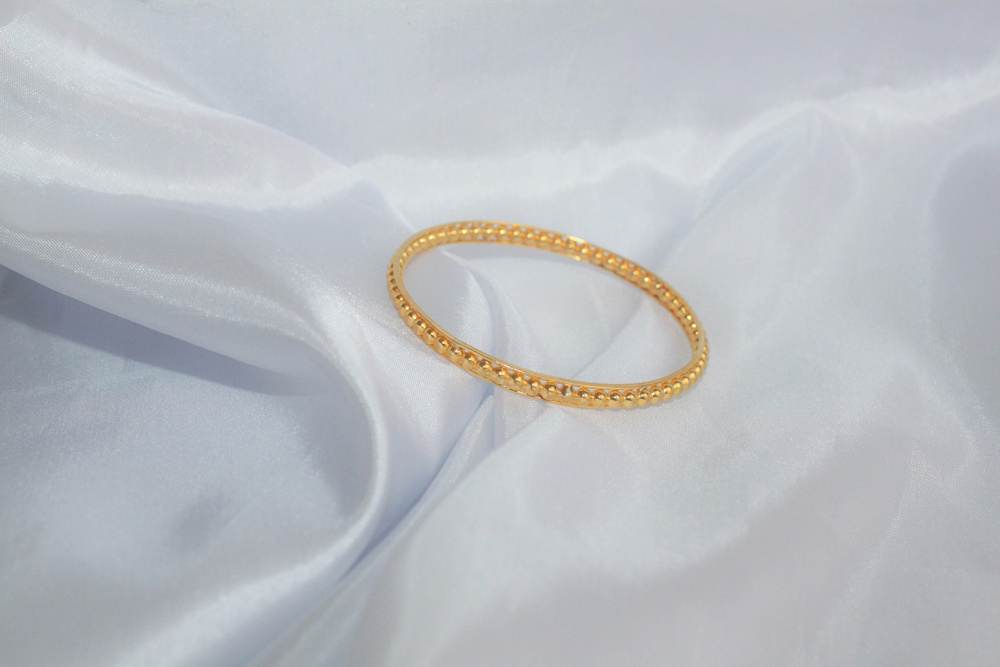
Gold-plated jewellery can be beautiful, stylish and surprisingly affordable. There’s absolutely nothing wrong with owning or wearing it, as long as you know that’s what you’re buying.
The real problem? Sellers who pass off gold-plated pieces as solid gold, using vague descriptions or misleading labels to blur the lines.
What looks like a bargain can quickly turn into a disappointment when that “gold” starts to fade, tarnish or reveal a different metal underneath.
What Does Gold Plated Really Mean?
When a piece of jewellery is described as gold plated, it means a thin layer of gold has been applied over a base metal such as brass, copper or stainless steel.
Unlike solid gold or even gold-filled pieces, the gold content in plated jewellery is minimal and often wears away over time, especially when worn regularly.
While gold-plated items can still be beautiful and affordable, they generally don’t have the same durability, value or resistance to damage as solid gold.
The Problem with Misleading Labels
The issue with gold-plated jewellery isn’t the jewellery itself; it’s how it’s sometimes marketed.
Unfortunately, some sellers use vague or intentionally confusing terms to make plated items seem more valuable than they really are. Labels like “gold,” “18k” or “luxury finish” may be used without clearly stating that the piece is only gold-plated.
This kind of misrepresentation can lead to a range of problems. For one, the buyer often pays far more than the item is worth, expecting it to hold long-term value.
Once the plating wears off, the base metal underneath may tarnish, trigger skin reactions or lose its appeal entirely. Even worse, gold-plated pieces sold as real gold can lead to emotional disappointment, especially if the item was purchased as a gift or a keepsake.
How to Spot a Plated Piece
Many plated pieces are designed to look like the real thing, but there are a few telltale signs you can look for to help you tell the difference.
Visual Clues
Start by examining the surface closely. Gold plating can wear off over time, especially on areas that rub against your skin, like rings or bracelet clasps. Look for:
- Fading or flaking, especially around edges and corners.
- Discolouration, where a different metal, like copper or silver, is starting to peek through.
- Inconsistent colour, where the shade of gold looks slightly different across the piece.
Stamps and Hallmarks
Check for small markings that are usually found on the inside of rings or near the clasp of a necklace. While solid gold is typically marked with karat stamps like “18K” or “750,” plated pieces often include:
- GP (Gold Plated)
- GEP (Gold Electroplated)
- HGE (Heavy Gold Electroplate)
- RGP (Rolled Gold Plate)
Magnet Test
Gold is not magnetic, but many base metals used in plated jewellery are. Try holding a magnet up to the piece. If it’s strongly attracted, chances are it’s not solid gold.
Note: this test isn’t always conclusive, as some non-magnetic metals are also used in fakes.
Acid Testing and Professional Assessment
If you really want to be sure, your best bet is to take the piece to a trusted jeweller for testing. They can use a gold testing kit or X-ray fluorescence (XRF) to determine the metal content without damaging the jewellery.
Repairing or Refreshing Plated Jewellery
Just because a piece is gold-plated doesn’t mean it’s beyond saving. In fact, many plated items can be brought back to life with a bit of care and professional attention.
Replating for a New Shine
Over time, the thin layer of gold on plated jewellery can wear away. The good news is that many items can be re-plated. This is a process where a new layer of gold is applied to refresh the look and protect the piece.
Replating can also restore the original shine, colour and feel of your jewellery, making it look almost brand new. This is particularly popular for rings, chains and watch cases that have lost their lustre.
Cleaning Tips for Plated Jewellery
Plated pieces are more delicate than solid gold, so gentle cleaning is key.
Avoid harsh chemicals or abrasive cloths. Instead, use a soft, damp cloth to wipe away dirt and oils, and dry thoroughly. Steer clear of ultrasonic cleaners or strong jewellery solutions unless advised by a professional, as they can strip the plating or damage the base metal underneath.
When to Consider Upgrading
If you love the design but are tired of constant wear and tear, you might consider upgrading a gold-plated item to a higher-quality version.
In some cases, a jeweller can remake the piece in solid gold or use longer-lasting materials while keeping the original design. This is especially worthwhile for items with emotional value, such as family heirlooms or meaningful gifts.
Buying Smarter: What to Look For
When it comes to gold jewellery, knowledge is your best protection against misleading labels and disappointing purchases.
- Ask the right questions. Don’t be shy about asking the seller direct questions like: “Is this piece solid gold or gold-plated?”
- Look for authentic hallmarks. Genuine gold jewellery will usually have clear stamps indicating its purity. Be wary of vague markings or ones that only say “gold” without karat information.
- Shop with trusted sellers. Buy from established jewellers who are transparent about their materials. Independent shops, local experts or certified online retailers often provide more accurate descriptions than mass-produced fashion brands.
- Know that price reflects quality. If a deal seems too good to be true, it probably is. Solid gold has intrinsic value, and that’s reflected in the price.
In Closing
Gold-plated jewellery can be beautiful and meaningful when you know exactly what you’re buying. By learning to spot misleading labels and understanding how to care for plated pieces, you can protect your investment and enjoy your jewellery for longer.If you’re unsure about a piece in your collection or want to restore its shine, contact Martins of Glasgow. Our experienced team offers expert jewellery evaluations, honest advice and professional repairs to help you wear your jewellery with confidence.