
When we think of wartime relics, our minds often go to medals, uniforms or letters home.
But tucked away in drawers and passed down through families are timepieces that quietly tell their own stories.
The Role of Watches in War
In both World War I and World War II, precise timekeeping could mean the difference between success and disaster.
Coordinating attacks, launching artillery strikes, or navigating across hostile terrain all depended on soldiers and officers working to the same minute.
One of the biggest shifts that came out of WWI, though, was the move from pocket watches to wristwatches.
Before the war, wristwatches were largely seen as women’s jewellery, while men favoured pocket watches. But in the trenches, fumbling for a pocket watch was impractical and often dangerous.
Soldiers began strapping pocket watches to their wrists with leather holders, sparking the rise of what we now recognise as the modern wristwatch. And by WWII, the wristwatch had become standard issue for many troops.
It’s also important to distinguish between military-issued watches and those that were repurposed.
Military-issued watches were produced under strict specifications set by governments, and were designed for toughness, accuracy and ease of use.
Civilian repurposed watches, on the other hand, were personal timepieces brought to the front.
Iconic War-Era Watch Models
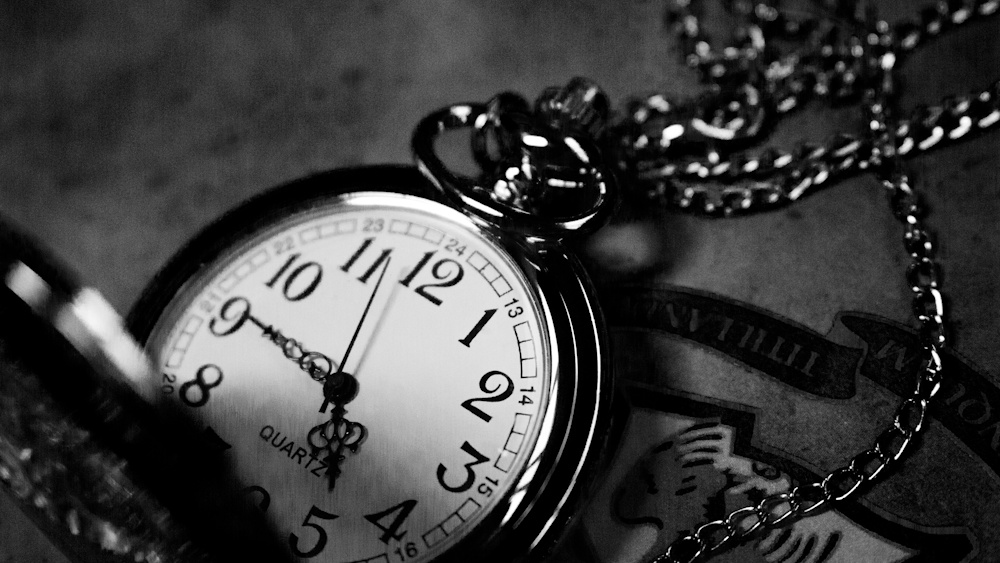
Some of the most enduring watch designs we know today can be traced directly back to the battlefield.
WWI Trench Watches
During the First World War, soldiers adapted to life in the trenches with watches built for visibility and toughness.
These so-called trench watches often featured luminous dials so they could be read in low light, protective shrapnel guards to shield the glass, and sturdy leather straps that kept them secure in harsh conditions.
WWII and the Rise of Standard-Issue Timepieces
By the Second World War, watchmaking had advanced, and many armies commissioned official designs for their troops.
The American A-11, produced by brands like Bulova, Elgin, and Waltham, became so widespread it earned the nickname “the Watch that Won the War.” Its simple black dial, luminous numerals, and strong movement made it a trusted tool for countless service members.
Across the Atlantic, Britain commissioned what are now famously known as the “Dirty Dozen”, which are a set of twelve nearly identical watches produced by different manufacturers (including Omega, Longines, and IWC) to meet strict military specifications.
These pieces remain highly collectable, not only for their history but also for the way they represent international collaboration in a time of global conflict.
Meanwhile, Germany’s Luftwaffe pilots relied on oversized B-Uhr chronographs, which were developed by A. Lange & Söhne and others. With large, highly legible dials and precise movements, these watches were essential for navigation and timing missions.
Hidden Histories in the Details
What makes war-era watches truly unique isn’t just their design or mechanics, but the stories that are etched into them.
Case Engravings
Flip over many wartime watches and you’ll find more than just serial numbers.
Soldiers often had their initials, service numbers, or regimental insignias engraved on the back, turning the watch into both a personal identifier and a keepsake. Some even carried heartfelt messages from loved ones.
Battle Scars
The physical condition of a watch tells just as powerful a story.
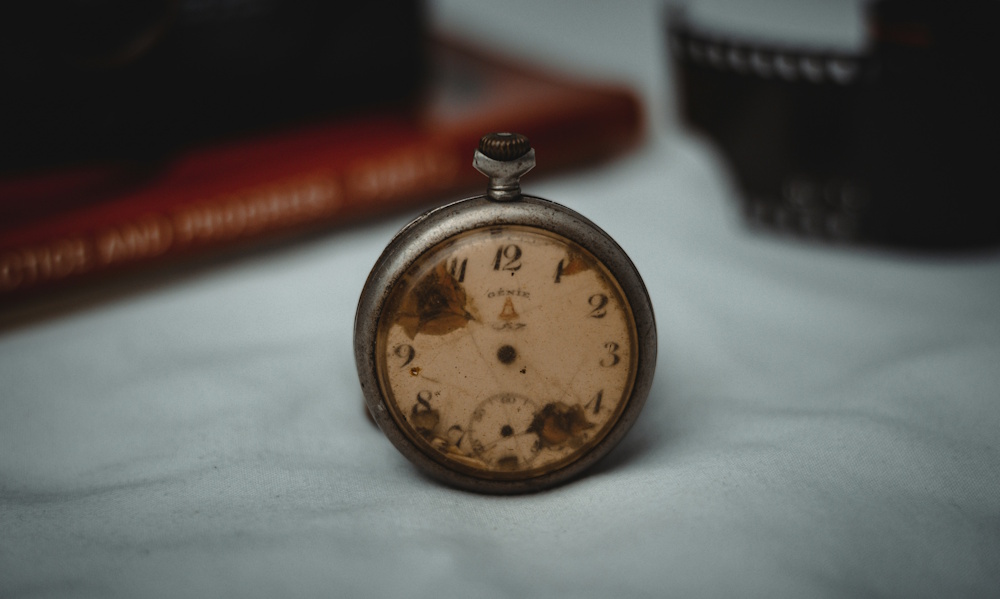
A cracked crystal, a dented case, or lume that has long since faded is wear and tear, but it’s also evidence of a life lived in extreme circumstances. In many cases, these imperfections are what make the watch most meaningful.
Watches with Stories to Tell
There are countless accounts of watches recovered from unexpected places, such as in the belongings of prisoners of war or pulled from battlefields. Each watch carries not only the history of its brand and model but also the very real human story of the person who once depended on it.
Collecting War-Era Watches Today
Unlike more modern models, the value of war-era watches isn’t just tied to the movement or the brand name, but also the authenticity of the piece and the story it carries.
What Makes Them Desirable
The most sought-after watches are those with clear provenance, meaning there’s a documented link to who owned them and how they were used.
A watch accompanied by service records, letters, or even photographs instantly becomes more than just a timepiece. Condition also matters. While some collectors embrace scratches and patina as part of the charm, others look for well-preserved examples that still function reliably.
What really matters at the end of the day is authenticity. A genuine wartime watch, especially one with a traceable story, can be far more valuable than even the most pristine modern reissue.
Red Flags to Watch For
Because of their popularity, war-era watches are also heavily replicated or altered.
Replicas are outright fakes designed to mimic original models, while “Frankenwatches” are built from mismatched parts.
Overly perfect restorations can also raise suspicion, as many wartime watches should show at least some natural ageing. Collectors need to research carefully, consult experts, and, when possible, buy from reputable dealers who can verify a watch’s history.
Preserving Their History
Owning one of these watches comes with responsibility.
Gentle restoration can help preserve the functionality, but heavy polishing or replacing original parts risks erasing its historical character.
Just as important is preserving its story. Keeping any documentation, engraving details, or family anecdotes tied to the piece is highly recommended, because sharing these histories ensures that the watch remains more than just an object.
Final Thoughts
Each war-era watch carries layers of meaning. For collectors, enthusiasts, or simply those curious about the past, these watches serve as reminders that even in times of conflict, craftsmanship and human connection endured.