
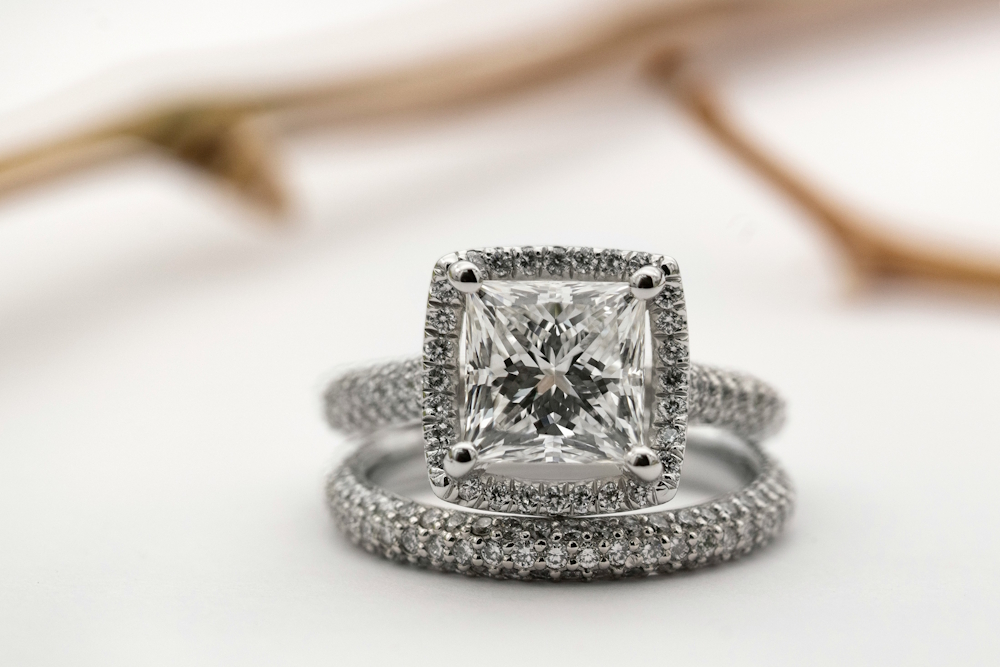
At first glance, two diamond rings can look completely identical. They have the same sparkle. They’re the same size. They have the same style. Yet, when it comes to valuation, one might be worth significantly more than the other.
This often comes as a surprise to owners, especially when both rings appear indistinguishable to the naked eye. The reality is that a diamond’s value is shaped by far more than its appearance alone.
The 4Cs: More Than Just a Checklist
Most people have heard of the 4Cs, but they’re often treated as a simple checklist rather than a set of factors that work together to determine value.
Two diamonds can share the same carat weight and still perform very differently once these details are examined more closely.
Cut
Cut has the greatest influence on how a diamond looks. Two diamonds of the same size can sparkle very differently depending on how well they’re cut. A well-cut stone reflects light back to the eye, and creates brightness and fire, while a poorly cut one can appear dull or even smaller than it should.
In mass-market jewellery, cut quality is often compromised to retain weight, which can reduce sparkle.
Colour
Colour differences in diamonds are often extremely subtle. Grades in the near-colourless range, such as G to J, can look identical to the naked eye, especially when viewed in shop lighting, which is designed to enhance brightness.
However, those small colour differences still affect value, especially since it’s assessed in relation to the metal setting. White metals tend to highlight warmth in a diamond, while yellow gold can help warmer stones appear brighter.
Clarity
Clarity refers to the internal characteristics, known as inclusions, that are often invisible without magnification. While two diamonds may both appear “eye-clean,” the type, size, and position of inclusions can impact the value.
Some inclusions have little impact beyond grading, while others can weaken the stone over time. Valuers and insurers take these details seriously, which is why clarity plays a larger role in professional assessments than many buyers expect.
Carat
Carat weight measures mass, not visual size. A diamond that weighs just under a key threshold, such as 0.90ct, can look almost identical to a 1.00ct stone once set in a ring.
The difference in price, however, can be substantial. Diamonds priced at or just above popular carat milestones carry a premium, even when the visual difference is minimal.
Diamond Origin and Certification
Next, there’s the origin and certification of a diamond.
A recognised grading report provides an independent assessment of a diamond’s key characteristics. This matters because it gives valuers, insurers, and future buyers confidence that the diamond has been graded consistently and accurately.
For this reason, certified diamonds are generally easier to insure, resell, or include in estate valuations.
It’s important to note that not all grading labs apply the same standards, though. Reports from well-established labs such as GIA or IGI are widely accepted, while less-known labs may apply looser grading.
A Note on Natural vs Lab-Grown Diamonds
Natural and lab-grown diamonds can look identical once set in a ring, but they are valued very differently.
Natural diamonds are formed over millions of years, which supports their long-term value and resale potential. And while lab-grown diamonds are genuine, they are more readily produced and typically depreciate faster.
In the UK market, this distinction has clear insurance and resale implications. Lab-grown diamonds often require different insurance terms and usually result in lower resale prices, too, even when their appearance closely matches a natural stone.
The Setting: Craftsmanship Counts
The setting plays a major role in a ring’s overall value, even when it looks identical to another at first glance.
In the UK, hallmarks are an important indicator of metal quality and authenticity. They confirm the purity of the metal, so there’s more reassurance for valuation, insurance, and resale purposes.
Different metals also age in different ways. Platinum is naturally durable and develops a soft patina over time rather than wearing away, while white gold alloys can thin with wear and often need re-plating to maintain their colour. These differences affect both long-term care as well as value.
How the ring is made is equally important. Hand-finished settings are generally stronger and easier to repair or resize, whereas mass-produced settings may sacrifice durability for speed and cost efficiency.
Overall, strong craftsmanship supports longevity and helps a ring retain its value, even when two pieces appear the same visually.
Brand, Provenance, and Purchase History
Brand and background can have a meaningful impact on a diamond ring’s value, too.
Designer or heritage jewellery is priced at a premium, not only because of name recognition, but also due to consistent craftsmanship standards and market demand.
An unbranded ring, on the other hand, may look identical, yet lack the same resale or collector appeal.
Original paperwork also matters. Receipts, grading reports, and purchase records help establish authenticity, age, and original specifications, all of which make a ring easier to value and more attractive to buyers or insurers. Provenance, particularly for older or notable pieces, can further enhance the value of the ring by adding context and traceability.
It should be said, though, that age alone doesn’t guarantee higher value, but factors such as period design, condition, rarity, and originality do. A well-preserved vintage ring with documented history may be valued far above a visually similar modern piece.
Condition, Wear, and Repairs
A ring’s condition has a significant influence on its value. Previous resizing, retipping, or repairs can alter the structure of the setting, making it weaker or changing the original proportions. This is not to say that professional repairs aren’t sometimes necessary, but they can affect how a piece is assessed during valuation.
Two rings that look identical can therefore be valued very differently if one shows signs of wear, thinning metal, or repeated work. Even subtle issues, such as worn claws or uneven settings, can reduce both value and insurability.
This is why a professional inspection is a must before resale or insurance. A trained valuer can identify hidden wear or past repairs that aren’t obvious, ensuring the ring is assessed accurately and protected appropriately.
Market Demand and Timing
Lastly, there’s market demand.
Certain styles, such as halo settings, vintage-inspired cuts, or clean, minimal solitaires, can rise and fall in popularity, which influences what buyers are willing to pay. A ring that aligns with current tastes may achieve a stronger valuation than an equally well-made piece in a less popular style.
It’s also important to understand the difference between replacement value and resale value. Replacement value reflects the cost of replacing the ring with a similar item at current retail prices, while resale value is based on what the market will realistically pay.
These figures can differ significantly.
Identical Isn’t Equal
When it comes to diamond rings, what you see on the surface is only part of the story.
Two rings may look the same, yet small differences in cut quality, certification, craftsmanship, condition, and market demand can result in very different values.
Understanding these factors can help protect you as a buyer, owner, and heir alike, whether you’re insuring a piece, considering a sale, or simply wanting clarity on what you own.