
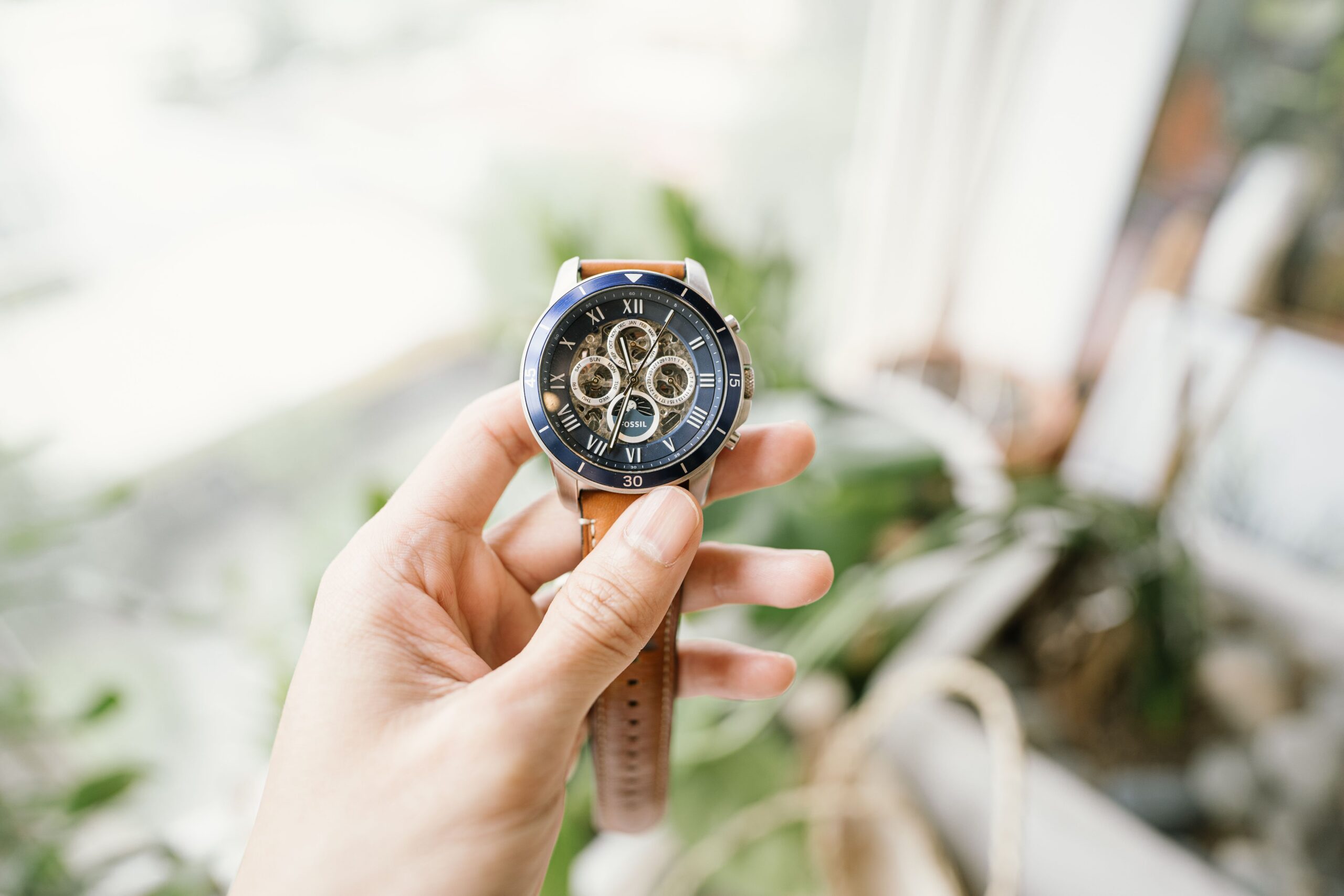
When shopping for a luxury watch, you’ll often come across the terms in-house movement and outsourced movement.
For some collectors, the distinction is a major selling point. However, others argue that a reliable outsourced movement can perform just as well, if not better.
So, does it really matter where a watch movement comes from?
What Is a Watch Movement?
A watch movement is basically the engine behind every timepiece. It’s responsible for driving the hands around the dial and operating any additional functions.
There are three main types of watch movements:
- Mechanical movements are powered by a mainspring that must be wound manually.
- Automatic movements are a type of mechanical movement that wind themselves through the natural motion of the wrist.
- Quartz movements are battery-powered and use a quartz crystal to regulate timekeeping.
Basically, the movement matters because it influences how accurately your watch keeps time, how reliable it is over the long term and what functions it can offer.
What Is an In-House Movement?
An in-house movement is a watch movement that has been developed and produced by the watch brand itself, rather than sourced from a third-party manufacturer.
This means the brand has greater control over the movement’s design, engineering and production process.
However, the term in-house is not always used consistently across the watch industry. Some brands design their own movements but outsource certain components or manufacturing processes, while others handle almost every stage internally.
As a result, what qualifies as an in-house movement can vary from one brand to another.
Well-known brands recognised for producing in-house movements include Rolex, Omega and Seiko.
Advantages of In-House Movements
One of the main attractions of an in-house movement is its exclusivity. Because the movement is unique to the brand, it can help a watch stand out from models that use widely available third-party calibres.
In-house movements also allow brands to showcase their technical capabilities and develop innovations that reinforce their identity.
Another advantage is that the movement can be designed specifically for the watch, allowing for better integration between the internal mechanics and the overall design of the timepiece.
Potential Drawbacks
While in-house movements can be appealing, they often come at a higher cost. The research, development and manufacturing involved are generally reflected in the purchase price.
Servicing and repairs can also be more expensive, especially if specialist expertise or brand-specific parts are required. In some cases, replacement components may be harder to source than those used in more common third-party movements.
It’s also worth remembering that newer in-house movements may not have the long-term reliability record of established outsourced alternatives that have been tested and refined over many years.
What Is an Outsourced Movement?
An outsourced movement, also known as a third-party movement, is a watch movement that is designed and manufactured by a specialist movement producer rather than the watch brand itself.
Instead of developing their own calibre, watchmakers purchase these movements and incorporate them into their watches.
Many companies source movements from dedicated suppliers such as ETA SA Manufacture Horlogère Suisse and Sellita.
Advantages of Outsourced Movements
One of the biggest advantages of outsourced movements is their proven reliability. Many third-party calibres have been used for decades, allowing manufacturers and watchmakers to identify and address any issues over time.
They are also usually easier and more affordable to service. Because these movements are widely used, many independent watchmakers are familiar with them, and replacement parts are often readily available.
Another benefit is that brands can focus their resources on other aspects of the watch, such as design, finishing, materials and overall craftsmanship, rather than investing heavily in movement development.
Potential Drawbacks
The main criticism of outsourced movements is that they offer less exclusivity. The same base movement may be found in watches from several different brands, which can make a model feel less unique to some buyers.
For collectors who value brand-specific engineering, outsourced movements may be seen as less desirable than an in-house calibre.
However, this perception is often linked to prestige rather than actual performance, as many third-party movements have an excellent reputation for accuracy and dependability.
When an In-House Movement Makes Sense
An in-house movement is right for you if you:
Prefer something a little more distinctive
Because these movements are developed by the watch brand itself, they often offer a level of exclusivity that appeals to collectors looking for a unique addition to their collection.
Appreciate horological innovation
Many brands use their in-house calibres to showcase new technologies, improved performance or unique engineering solutions that set them apart from competitors.
Value craftsmanship and heritage
Owning a watch with an in-house movement can feel like owning a product that fully reflects the manufacturer’s expertise, from the case and dial right through to the mechanism inside.
When an Outsourced Movement May Be the Better Choice
An outsourced movement is right for you if you:
Want a dependable timepiece
An outsourced movement can be a sensible option for first-time luxury watch buyers who would prefer a more dependable timepiece without paying a premium for exclusivity.
Prefer manageable maintenance costs
Because these movements are widely used, servicing is often simpler, and replacement parts can be easier to obtain.
Are looking for value for money
For those focused on getting the best value for money, an outsourced movement can offer a compelling balance of performance, durability and affordability.
In Closing
When it comes to in-house versus outsourced movements, there is no universally “better” option.
Both can deliver excellent performance, reliability and long-term enjoyment when produced to a high standard.
Rather than focusing solely on where a movement comes from, it’s worth considering the overall quality of the watch and how well it aligns with your personal preferences and collecting goals.