
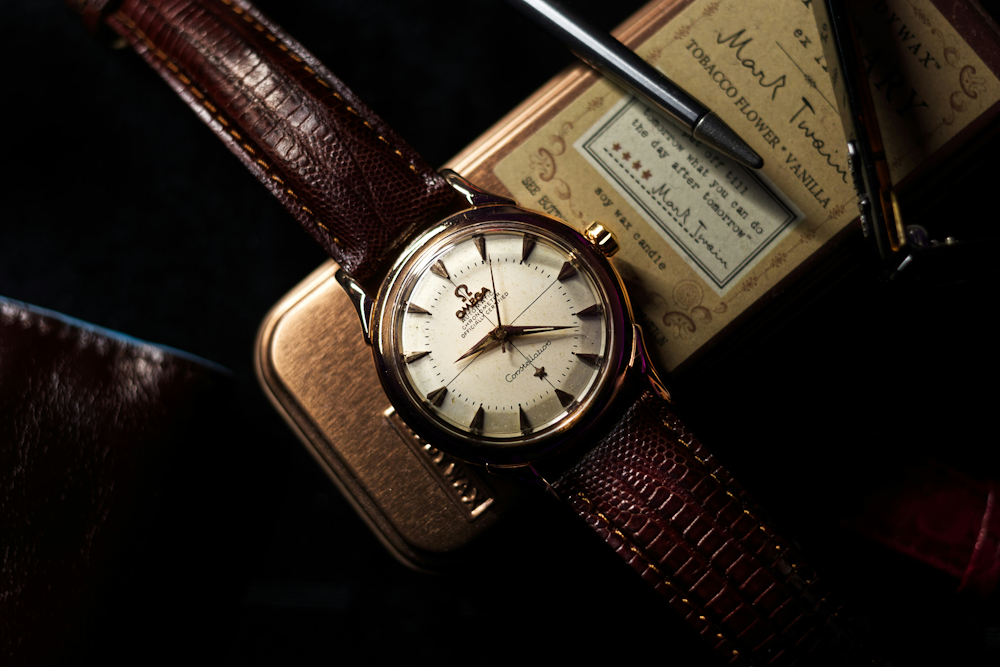
A few scratches here, a dull patch there. When a vintage watch starts to show its age, it can be tempting to have it polished and restore some of its original shine.
Not always.
In the world of vintage watches, polishing can be a surprisingly contentious subject. While some owners prefer a clean, refreshed finish, collectors often place significant value on originality and signs of honest wear.
A Quick Look at the Polishing Process
Polishing a watch involves carefully removing a very fine layer of metal from the case to reduce scratches, scuffs and other visible marks.
A light polish may simply improve the overall finish, while more aggressive refinishing can remove deeper scratches and alter the watch’s appearance in a bigger way. This is why the skill of the watchmaker or polisher matters.
An experienced professional will understand the original shape and finish of the case and take a more careful approach to preserving its details.
Why Are Some Vintage Watch Collectors Against Polishing?
For many vintage watch collectors, originality is a major part of a watch’s appeal.
Scratches, worn edges and other signs of age can tell a story about a watch’s life, contributing to what collectors often consider an honest, original condition.
As a result, an untouched case with visible wear may be more desirable than one that looks newer but has been heavily refinished. Once the original metal and case details have been polished away, they cannot simply be restored.
Can Polishing Reduce the Value of a Vintage Watch?
Yes, polishing can reduce the value of a vintage watch.
Excessive polishing can soften sharp case edges, alter the original proportions and reduce the definition of details that collectors look for. Engraved numbers, hallmarks and other markings can also become less distinct if too much metal is removed.
However, the effect on value will depend on the individual watch, its rarity and condition, and how carefully the polishing has been carried out.
The Brand and Model Impact
The brand and model of a watch can certainly influence whether polishing is a good idea or not.
Originality is often particularly important for rare, discontinued or historically significant watches, where even small changes to the case can affect collector interest.
When it comes to vintage watches from brands such as Rolex, Omega and Patek Philippe, experienced buyers will almost always closely examine the case shape, edges and overall condition for signs of previous polishing.
A more common vintage watch bought primarily for personal enjoyment may be viewed differently, especially if improving its appearance makes the owner more likely to wear and appreciate it.
What About Scratches, Patina and Other Signs of Age?
Not every mark on a vintage watch is a sign of damage.
Light scratches, fading and patina can develop naturally over time, and some collectors value these details. Patina, in particular, can add character and even contribute to a vintage watch’s appeal.
Overall, minor cosmetic flaws may not affect how a watch functions. However, deeper dents, cracks or damage to the case may require professional attention.
3 Questions to Ask Before Polishing Your Vintage Watch
Before making a decision, it is worth asking a few important questions.
- Is the watch rare or particularly collectible, and are you likely to sell it in the future?
- Do you value the watch’s original condition, or would you personally prefer a cleaner, more polished appearance?
- Has the watch been polished before, and who will carry out the work?
Answering these questions will help you decide whether the polish would be worth your while as either a watch collector or a seller and ensure you choose the right professional for the job.
To Polish or Not to Polish? Think Before You Decide
There is no simple yes or no answer when it comes to polishing a vintage watch.
A careful polish may improve the appearance of some watches, while for rare or collectible models, it could affect the originality and potentially reduce the value.
The most important thing to remember is that polishing is irreversible, so it is always worth considering your options carefully.
However, If your watch is new or relatively new, and scratches appear due to “desk diving” or what you may deem as accidental “damage” we advise against polishing. Polishing should only be carried out whilst a watch is being serviced. That way, cases and bracelets will not lose their edges and finishes.