
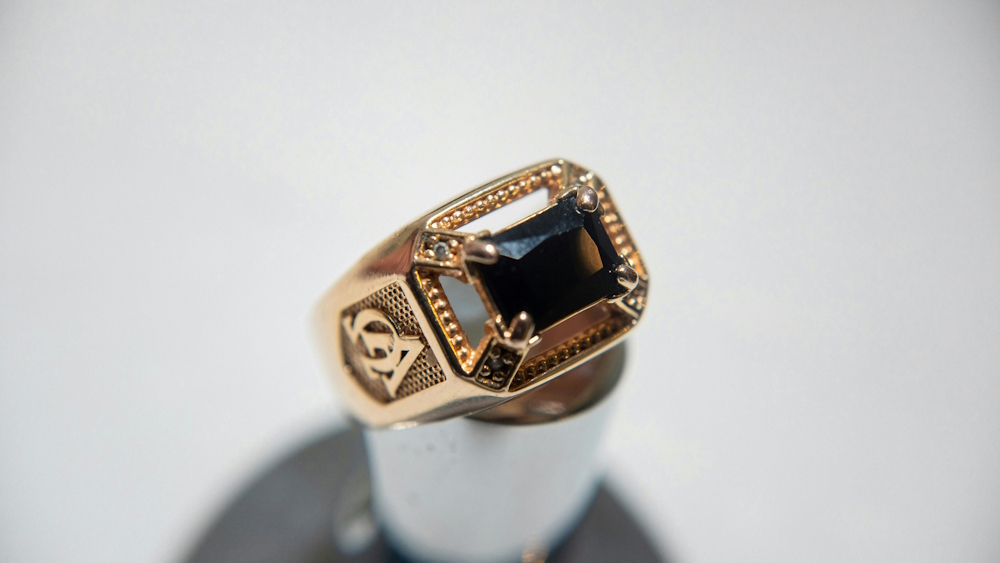
Signet rings, chunky gold chains, cluster settings and pearls are back in the spotlight. Styles that once felt nostalgic are suddenly everywhere again.
But why are so many buyers gravitating towards designs inspired by the 70s, 80s, 90s and early 2000s?
Let’s explore what neo-vintage really means, which styles are leading the comeback, and why classic jewellery continues to resonate.
What Does “Neo-Vintage” Actually Mean?
The term neo-vintage refers to newly made jewellery that draws clear inspiration from past decades.
Instead of purchasing a true antique, buyers are choosing modern designs that reflect the bold gold of the 1970s, the statement glamour of the 1980s, the minimalism of the 1990s, or even early 2000s detailing.
The aesthetic may feel nostalgic, but the piece itself is completely contemporary.
It’s also what helps distinguish neo-vintage from other commonly used terms.
- Antique jewellery is generally over 100 years old.
- Vintage typically refers to pieces between 20 and 100 years old.
- Retro describes a style that references the past, regardless of when it was made.
Neo-vintage, however, offers the visual charm of earlier eras with the practicality, durability, and wearability that’s expected today.
Which Classic Styles Are Returning?
Certain designs are leading the neo-vintage revival, and they’re appearing in both everyday jewellery and statement pieces.
Signet Rings
Once associated primarily with family crests and traditional menswear, signet rings have undergone a stylish revival.
They’ve also become increasingly gender-neutral. Worn on little fingers, index fingers, or layered alongside other rings, signets now appeal to a wide audience looking for something timeless yet personal.
Chunky Gold Chains
Bold gold chains are firmly back in fashion. Think substantial curb links, rope chains, and oversized silhouettes that make a statement without feeling overly elaborate.
What’s different this time around is the styling. Rather than being worn alone as a single statement piece, chunky chains are often layered with finer necklaces, pendants, or mixed textures.
Cluster Rings & Halo Settings
Cluster rings and halo settings are experiencing renewed popularity, particularly among people looking for something distinctive for engagement rings.
These designs, which are inspired by vintage glamour, use multiple smaller stones to create the appearance of greater brilliance and presence.
Art Deco Influences
Art Deco-inspired jewellery, with its geometric shapes, clean lines, and symmetrical patterns are still very popular.
Contrasting stones, bold framing, and architectural design details give these pieces a sense of structure and sophistication. While true Art Deco originals date back to the 1920s and 30s, today’s reinterpretations offer the same striking visual impact, just with different materials and better precision.
Pearls
Pearls are no longer as traditional as they used to be, and baroque pearls have become particularly popular.
Designers are also pairing pearls with mixed metals, asymmetrical layouts, and unique settings. The result feels less formal and far more versatile, which appeals to buyers who want something classic but with personality.
Does Neo-Vintage Jewellery Have Investment Potential?
Whenever a style comes back into fashion, it’s natural to wonder whether it’s just a passing trend or something with longer-term value.
While neo-vintage pieces are enjoying a strong moment, certain revived styles tend to hold their appeal far better than short-lived fashion-driven designs. For example, classic signet rings, timeless gold chains, and balanced cluster settings have kept resurfacing over the decades.
That said, intrinsic value still matters more than trend cycles.
The weight and purity of gold, the quality and grading of gemstones, and the overall craftsmanship will always influence resale potential more than whether a piece is currently “in.”
Jewellery with quality materials and classic proportions tends to have a longer resale life, particularly when it avoids exaggerated or overly trendy details.
Final Thoughts
Neo-vintage jewellery isn’t about copying the past. Instead, it’s about reinterpreting it.
The resurgence of classic styles shows that certain designs never truly disappear. They evolve, adapt, and return with renewed relevance for a new generation of wearers.
Ultimately, the pieces that endure are those rooted in quality and proportion rather than fleeting trends. And that’s precisely why classic jewellery styles continue to find their way back into our collections, decade after decade.