
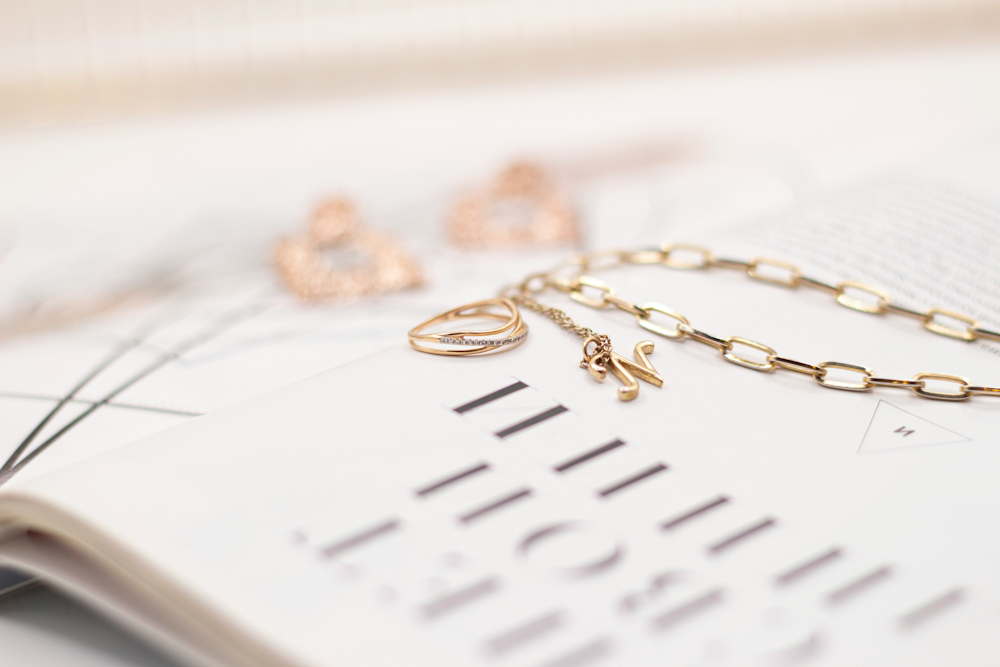
Much like the clothes we wear, jewellery is a form of self-expression, reflecting everything from our personal tastes and values to the way we want others to perceive us.
Psychology suggests that the possessions we choose can become extensions of our identity, helping us communicate aspects of who we are without saying a word. Of course, wearing silver instead of gold won’t provide a definitive personality diagnosis.
But the styles, colours and pieces we repeatedly reach for can offer some intriguing clues.
The Psychology Behind the Jewellery We Choose
So why do we pick the jewellery we do?
One of the most influential ideas in this area comes from consumer researcher Russell Belk, whose concept of the “extended self” proposes that our possessions can contribute to and reflect our identities. In other words, the objects surrounding us can help us express who we are.
Another useful concept is symbolic self-completion theory, which was developed by psychologists Robert Wicklund and Peter Gollwitzer. Their research explores how people use socially recognisable symbols to reinforce important aspects of their identity.
For example, someone who strongly identifies with a particular profession, lifestyle or social group may gravitate towards objects that help communicate that identity to others.
There’s also the psychology of self-presentation, sometimes called impression management. Psychologists have long studied how people attempt to influence the impressions others have of them, and what we wear can play a part in this process.
A psychological review of dress and first impressions specifically includes accessories alongside clothing, hairstyles and make-up. It finds that dress can contribute to the assumptions people make about our characteristics such as social identity, status and aesthetic taste.
Of course, not every jewellery decision is about communicating something to other people. Sometimes, its meaning is intensely personal.
An engagement ring you inherited, a watch you received for a milestone birthday or a necklace that belonged to a grandparent can become connected with memories, relationships and significant periods of your life. In these cases, the piece’s emotional significance may matter far more to you than its financial value or whether it happens to be fashionable.
Now, let’s get into what your jewellery pieces might say about you.
The Minimalist: Simple Chains, Studs and Understated Jewellery
If your jewellery box is filled with fine chains, small diamond or pearl studs, simple rings and delicate bracelets, you may be a minimalist at heart. Rather than competing for attention, these pieces complement an outfit and offer a subtle way to express your personal style.
Minimalism can also reflect a preference for simplicity and intentionality. It doesn’t necessarily mean you dislike luxury, either. For some people, owning one beautifully crafted gold necklace or quality watch is more appealing than having dozens of trend-led pieces.
The Statement Maker: Bold, Colourful and Oversized Jewellery
Chunky necklaces, oversized earrings, colourful gemstones and dramatic cocktail rings aren’t designed to disappear into an outfit. If these are your favourites, jewellery may be one of the ways you enjoy expressing your creativity and individuality.
A preference for unusual designs could potentially relate to traits such as openness to experience, which is associated with curiosity, imagination and an appreciation for new experiences and ideas. However, bold jewellery shouldn’t automatically be interpreted as a sign of extroversion. A naturally reserved person might still love an enormous emerald ring or a colourful pair of earrings.
The Traditionalist: Pearls, Diamonds and Timeless Designs
Some jewellery never seems to go out of fashion. Pearl necklaces, diamond studs, tennis bracelets and beautifully made watches have remained popular across generations, making them natural choices for anyone who prefers timeless style over fleeting trends.
If these pieces dominate your collection, you may place value on quality, longevity and tradition. There can also be a sentimental element to classic jewellery, especially when certain styles remind us of parents or grandparents.
The Sentimentalist: Jewellery with a Story
For the sentimentalist, the most valuable piece of jewellery isn’t necessarily the one with the highest price tag. It might be a grandmother’s ring, a locket containing a photograph, a birthstone necklace or the watch you received for an important birthday.
Objects can become closely connected to autobiographical memories, acting as tangible reminders of people, places and experiences. Jewellery is especially suited to this because it can be worn and kept close to us. This helps explain why a relatively inexpensive necklace given by someone special can feel completely irreplaceable.
The Individualist: Vintage, Antique and One-of-a-Kind Pieces
If you’d choose an unusual vintage ring over this season’s bestseller, individuality may play an important role in your jewellery choices.
Vintage and antique jewellery offers something mass-produced pieces often can’t: a history. The era, craftsmanship and previous life of a piece can be just as appealing as the design itself. An attraction to unusual aesthetics might also reflect curiosity, creativity and openness to exploring styles beyond current trends.
The Luxury Lover: Designer Jewellery, Precious Stones and Fine Watches
People have long used possessions and appearance to communicate things about themselves, including success, social position, group membership and aspiration.
However, assuming that everyone who loves luxury jewellery is motivated by status would be far too simplistic. You might be fascinated by watchmaking, appreciate exceptional craftsmanship, collect jewellery from a particular designer or buy a special piece to celebrate an achievement.
Even the type of luxury you prefer can affect what you’re communicating. Some people favour recognisable logos and iconic designs, while others embrace “quiet luxury”, where exceptional materials and craftsmanship are apparent to those in the know but aren’t immediately obvious to everyone else.
The Trendsetter: Jewellery That Changes with the Fashion Cycle
One year you’re layering delicate necklaces; the next you’re stacking rings, adding charms or experimenting with whatever gemstone is suddenly appearing everywhere. If your jewellery collection evolves alongside fashion, you may simply enjoy novelty and experimentation.
Trends can also help us communicate social identity. Adopting a particular aesthetic can subtly signal that we identify with a certain fashion movement, subculture or online community. Jewellery makes experimentation particularly easy: switching your earrings or layering a few necklaces can transform the feel of an outfit without requiring an entirely new wardrobe, and for a trendsetter, that’s part of the fun.
Your Jewellery Box Might Say More About You Than You Think
While you can’t accurately judge someone’s personality by their favourite necklace or watch, our jewellery choices can offer interesting clues about how we express ourselves.
Of course, you don’t need to fit neatly into one jewellery personality. You might favour understated pieces during the week, vintage finds at the weekend and statement jewellery for special occasions. Ultimately, the best jewellery is the kind that feels authentically you.